Support to help the moving process.
- December 2025

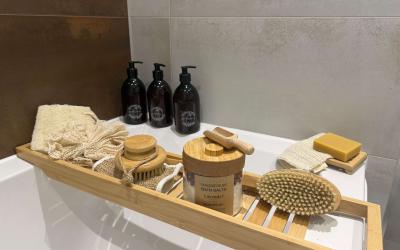
It’s often the smallest room in our home, but it's also the room which has the biggest environmental impact on our planet.
By making simple changes such as switching to eco-friendly toiletries, minimizing water usage, and choosing reusable products, you can significantly decrease your environmental footprint.
Switch to reusable products
Small changes not only reduce waste but also save money over time.
Single use cotton pads/balls: Use reusable makeup wipes or face cloths. These can be washed and used multiple times, drastically reducing waste and offering a cost-effective alternative to single-use products.
Single use plastic razors: invest in reusable razors.
Single use period products: consider switching to reusable period pads or pants, or trying a menstrual cup. These alternatives can be washed and reused, offering a reliable, eco-friendly solution that significantly cuts down on single-use sanitary waste.
Refill your products: Buy in bulk or shop at your local zero waste shop (like ours) where you can refill items like hand soap, shower gel and shampoo, allowing you to reuse existing containers and cut down on plastic waste.
Plastic hairbrush: Opt for a bamboo hairbrush.
Organic cotton or bamboo: Dry your body or wash your face with a sustainable material like organic cotton or bamboo
Soap saver bag: This bag will help the bar of soap last longer, allow for easy storage and also help exfoliate the skin.
-(4).png)
Look for brands that use post-consumer waste and minimal packaging to further decrease your bathroom’s environmental impact.
Recycled toilet paper: switch from conventional bleached toilet paper to recycled options. Recycled toilet paper typically uses less water and energy during production and avoids harsh chemicals.
Bamboo toothbrushes: Better than disposable plastic and can be popped into your compost bin at end of use. If you can’t give up your electric toothbrush, try recyclable toothbrush heads to keep them from landfill.
Switch to soap bars. A soap bar uses less packaging than liquid soap, takes less water to product and is lighter and small to transport, reducing your carbon footprint. From hand soap to shampoo bars – there’s plenty of options available.
Shaving bar: A great alternative to shaving cream that typically comes in a bottle.
Plastic free dental floss: Switch your dental floss for a plant based alternative.
Eco deodorant: Refillable deodorants and products in cardboard packaging or tins all offer effective order protection without the waste. These options are typically made with natural ingredients which are gentler on your skin and free of harsh chemicals.
Biodegradable cotton swabs: Opt for bamboo instead of plastic (now banned) – or even better invest in a reusable swab.
Eco bath bombs/salts: Many bath bombs come wrapped in single-use plastic and may contain harmful chemicals, and bath salts usually come in plastic bottles. Opt for all natural bath bombs that come plastic-free and bath salts in glass containers. You can make your own bath salts – all you need is Epsom salts and dried flowers with a couple of drops of your favourite essential oil.
Eco-Friendly cleaning products: Use cleaning products that are safer for you and the environment. You can buy these in shops or make your own at home:
Mix your own disinfectant: combine 200ml of water with 12 drops each of tea tree oil and lavender oil.
Glass/mirror cleaner: fill a spray bottle with vinegar and water with a big squeeze of lemon juice.
Shower cleaner: to keep the mould away, clean with a mist of 250ml water and a few drops of tea tree oil.
Toilet cleaner: Use cleaning vinegar in your toilet bowl (kills 80% of germs) and work on those stains
Eco-rriendly bodycare products: Swap out chemical-laden bodycare products for those made from plant-based ingredients. Plant-based soaps, shampoos, and lotions are often gentler on the skin and better for the environment, as they typically contain fewer synthetic additives and are more biodegradable. Making this switch can also support brands that prioritise ethical sourcing and sustainable packaging.
Clean skincare: use skincare products with cleaner ingredients on your skin. You can refill and save with the UpCircle brand.
Natural loofahs: Swap your plastic loofah/pouf for a natural loofah that is 100% compostable since it’s a dried plant!
-(3).png)
Sustainable practices
Turn the tap off: By being mindful of water usage in daily routines, such as brushing your teeth, you contribute to conserving this valuable resource and support wider sustainability efforts.
Shorter showers: Reducing your shower time not only conserves water but also lowers energy usage, especially if you use hot water. While you wait for it to warm up – feed your plants!
Save water every time you flush: use a water saver in your cistern or fill a 1L bottle with water and pop it in your cistern to save 1 Litre of water every time you flush.
Fix leaking taps: Not only is it annoying, its wasting water.
Do not use flushable wipes: even flushable ones don’t break down enough to not cause harm wherever they end up.
Buy products with recyclable packaging, rinse all containers to ensure there’s no product left inside and remove lids, small parts and pumps.
Or better still buy refillable products so you reuse the containers over and over again. Use a refill shop like ours - that offer the ability to fill up directly into your own reusable bottles.
Making the switch to zero-waste bathroom products may feel overwhelming at first, but with small, practical changes, you can quickly create a more sustainable space without compromising on quality or convenience. By introducing reusable items and opting for eco-friendly alternatives, you not only reduce plastic waste but also make savings over time.
It is important to remember that sustainability is a journey. Every little change you make contributes to a larger impact. Begin by choosing swaps that are the easiest to implement and build from there. Step by step, you will find that your efforts benefit both the environment and your wallet.