Support to help the moving process.
- December 2025

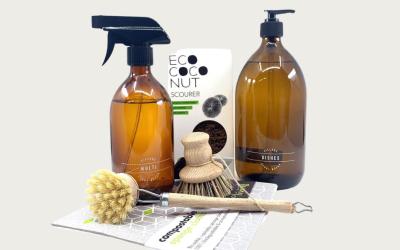
Working alongside our friends at The Village Refill, the've popped togther a handy guide to help you become more sustainable. Indoor air often contains more pollutants than outdoor air, largely from chemicals in cleaning products, especially when ventilation is poor. Even treated water can carry these chemicals into rivers, harming aquatic life. Sustainable cleaning uses non-toxic methods that protect the environment, skin, and respiratory health, while reducing waste and cost.
Use compostable cleaning tools, such as sponges and scrub brushes made from natural
materials that can be composted at end of life.
Simple replacements for common single-use items:
Plastic bottles: Refillable glass bottles to pair with DIY cleaning products or refills.
Microfibre clothes: Washable compostable clothes
Synthetic sponges: Natural, plant-based sponge pads
Dish brushes: Bamboo dish brushes with replaceable sisal heads
Scourer pads: Coconut scourers for cleaning bathrooms, showers, and ovens.
Paper towels: Bamboo reusable paper towels
Mop heads: Washable mop head (avoid microfibre)
Toilet brushes: Wooden toilet brushes with natural bristles
Dust pan and brush: Wooden brush with natural bristles and a steel pan
.png)
Look for brands that use post-consumer waste and minimal packaging to further decrease your bathroom’s environmental impact.
Tip: Make your own air freshener spray by combining two tablespoons of witch hazel with three-quarters of a cup of water. Add 20 drops of essential oil, using either a single scent or a blend. Transfer to a spray bottle, shake well, and spray!
Do your research. There are many brands that try to persuade you that they are doing more to protect the environment than they really are – this is referred to as ‘greenwashing’. Here at the Village Refill we have done the research for you. Less is more Stick to just a few essential multi-use cleaning products.
Use what you have until they can’t be used anymore and replace with a product made from natural materials that can be broken down and composted at the end of its life.
DIY Cleaning solutions Invest in a good book with cleaning recipes such as Green and Clean by Nancy Birtwhistle.
Dry or Steam Cleaning Dry cleaning uses pads or sponges to lift dirt, while steam cleaning relies on hot water and steam to loosen and remove grime. Both methods are effective and chemical-free.
Houseplants - buy locally grown houseplants, they clean the air with their natural air-purifying properties and look good too!
It’s important to use what you already have (e.g. that plastic broom) until it can’t be used or repaired anymore. Then invest in a replacement made from natural materials that can be broken down at the end of its life.Buy products with recyclable packaging, rinse all containers to ensure there’s no product left inside and remove lids, small parts and pumps. If your cleaning appliance can't be repaired, recycle it responsibly. Some retailers accept old appliances for recycling, or you can take them to your local recycling centre.
Repurpose and reuse containers you already have by refilling them at your local zero waste shop.
Repurpose old towels, sheets, or clothes by turning them into cleaning cloths.
Reuse old dish brushes, unpaper towels, and bamboo toothbrushes as cleaning tools.
Transitioning to zero-waste cleaning is a gradual process; small, consistent changes make the biggest difference. Every step towards sustainable cleaning contributes to a healthier home and environment.